Work / Product and organizational systems

Selected systems, not a screen archive.

The work below follows a consistent pattern: make complex systems easier to trust, coordinate, and improve without hiding the people who still need to make decisions.

Across hiring products, regional marketplaces, learning systems, service capability, and AI labs, the through-line is product leadership as an operating system: signals, standards, governance, and capability moving together.

Flagship work

Three cases do most of the heavy lifting.

Each one has a distinct identity: trust boundaries, product synthesis, or decision-load reduction.

01
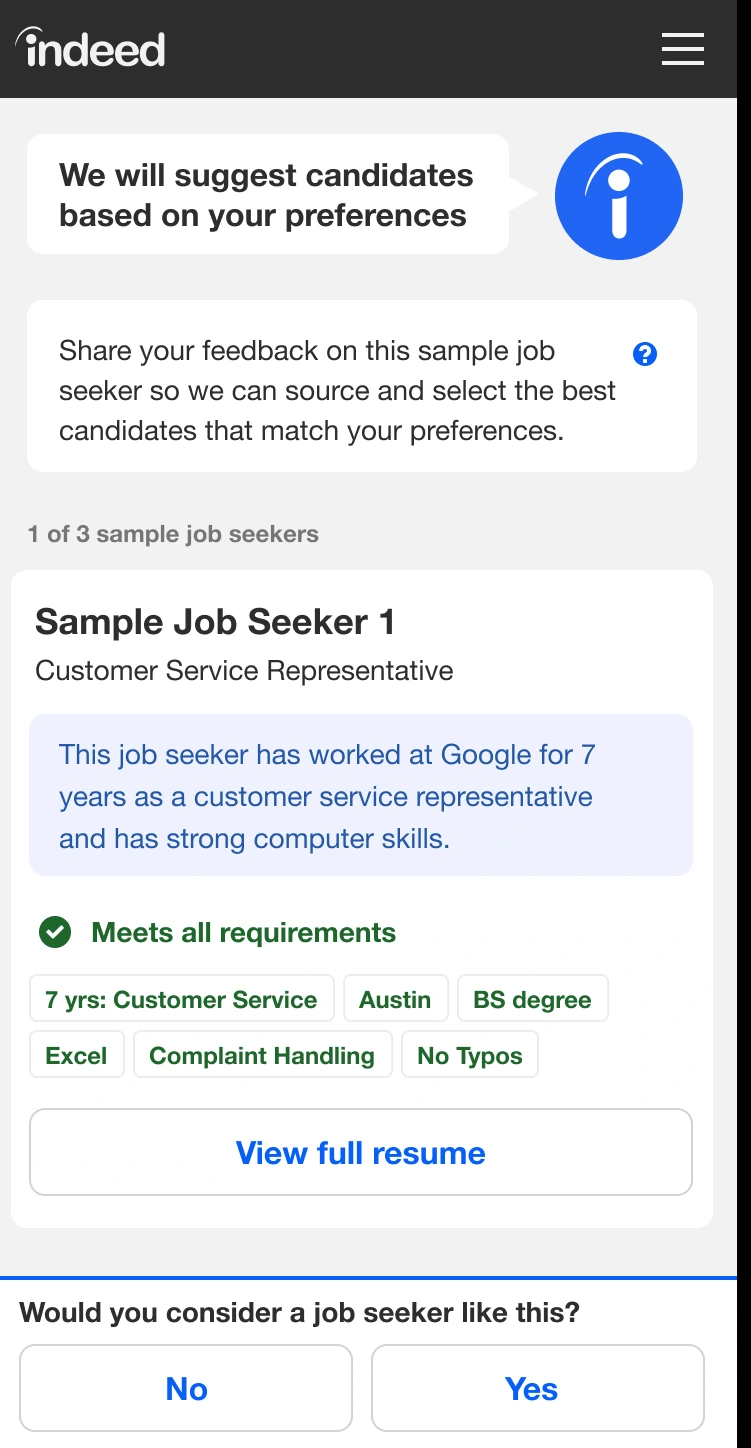
Indeed / system evidence
What the employer believes
What the system is allowed to do
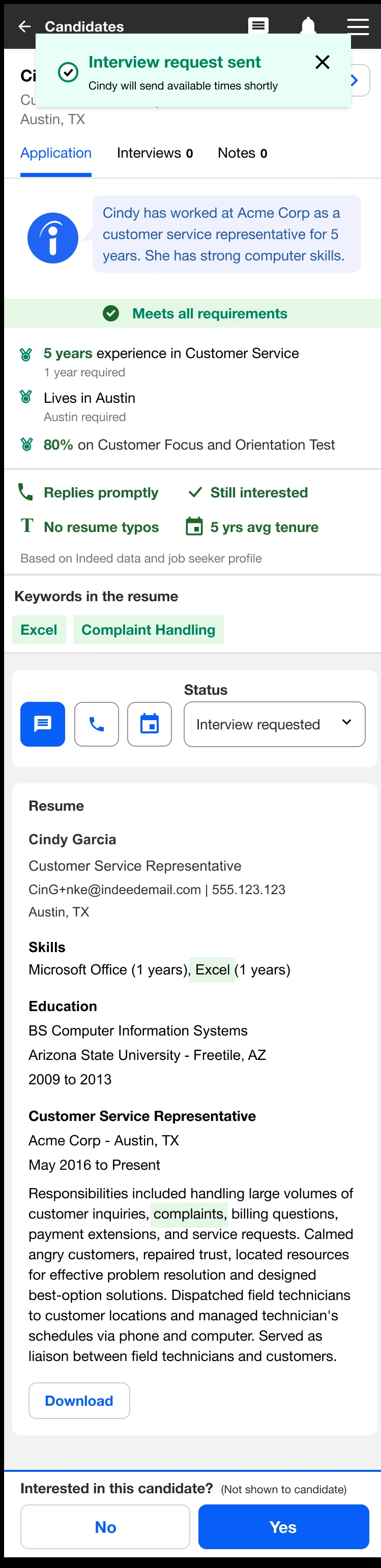
01 / BurdenRecruiting effort is too highTargeting, qualification, outreach, prioritization.
02 / GuideProduct can narrow choicesMake the next decision easier without hiding why.
03 / DelegateSystem may act only inside clear boundsExplain action, rationale, and recovery path.
04 / ApproveEmployer remains accountableHuman control stays visible at high-trust moments.
Trust contract mapThemed reconstruction

Flagship product strategy

Virtual Recruiter / D.I.F.M.

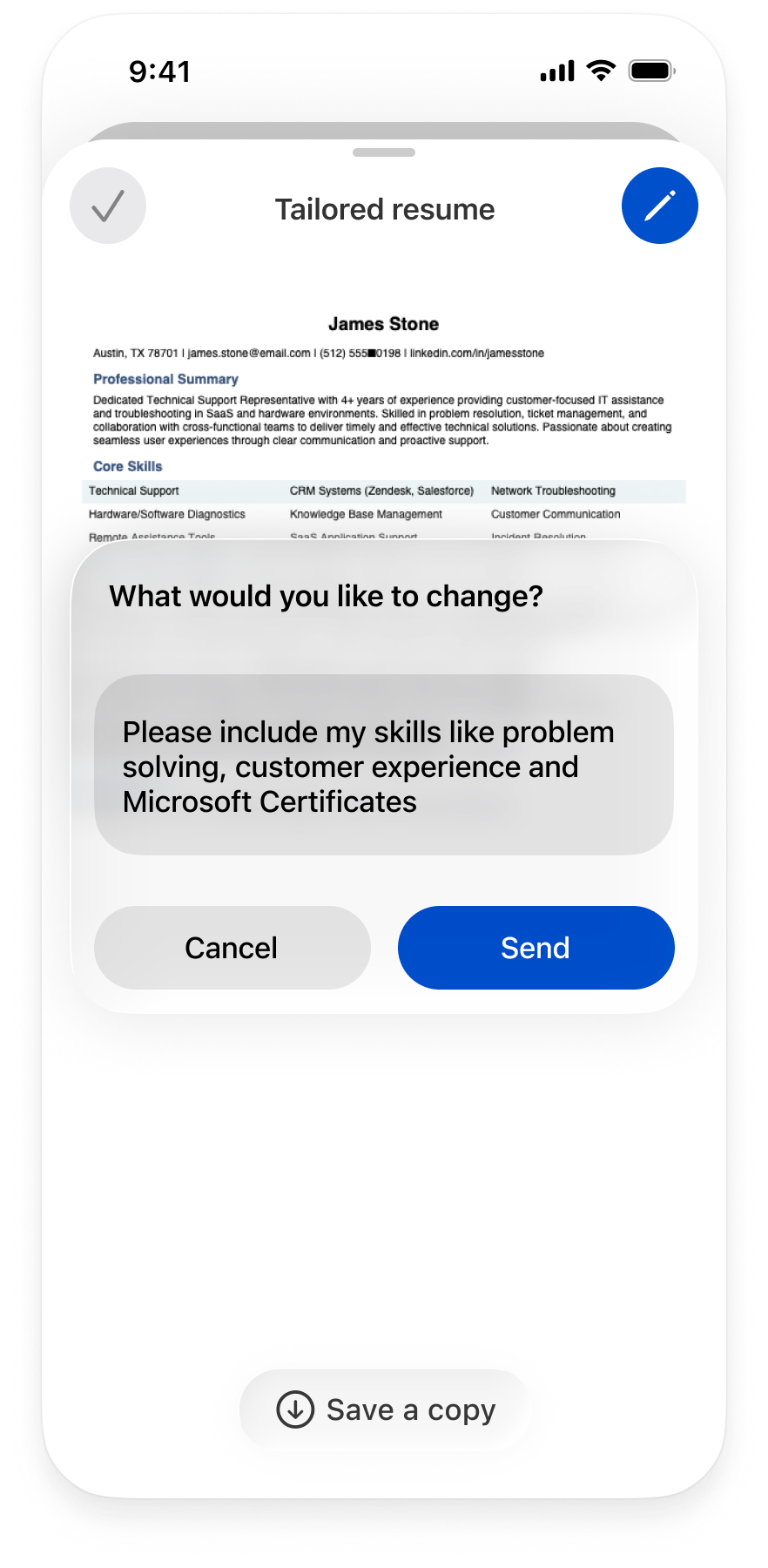
Defining explainable delegation for recruiting automation: what the product can do, what it must explain, and where employer control remains visible.

Employer effort → trust contract → delegated product system

02
Indeed / system evidence
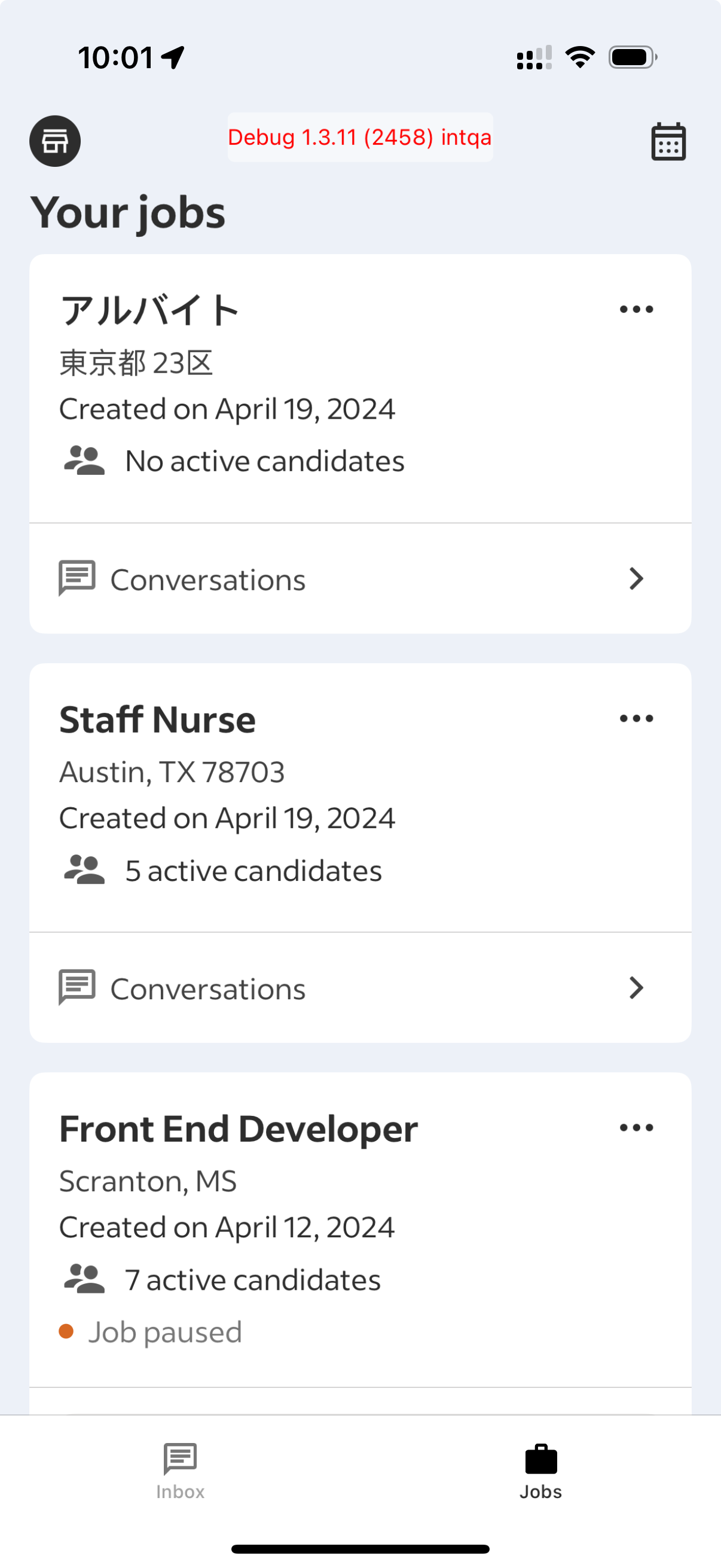
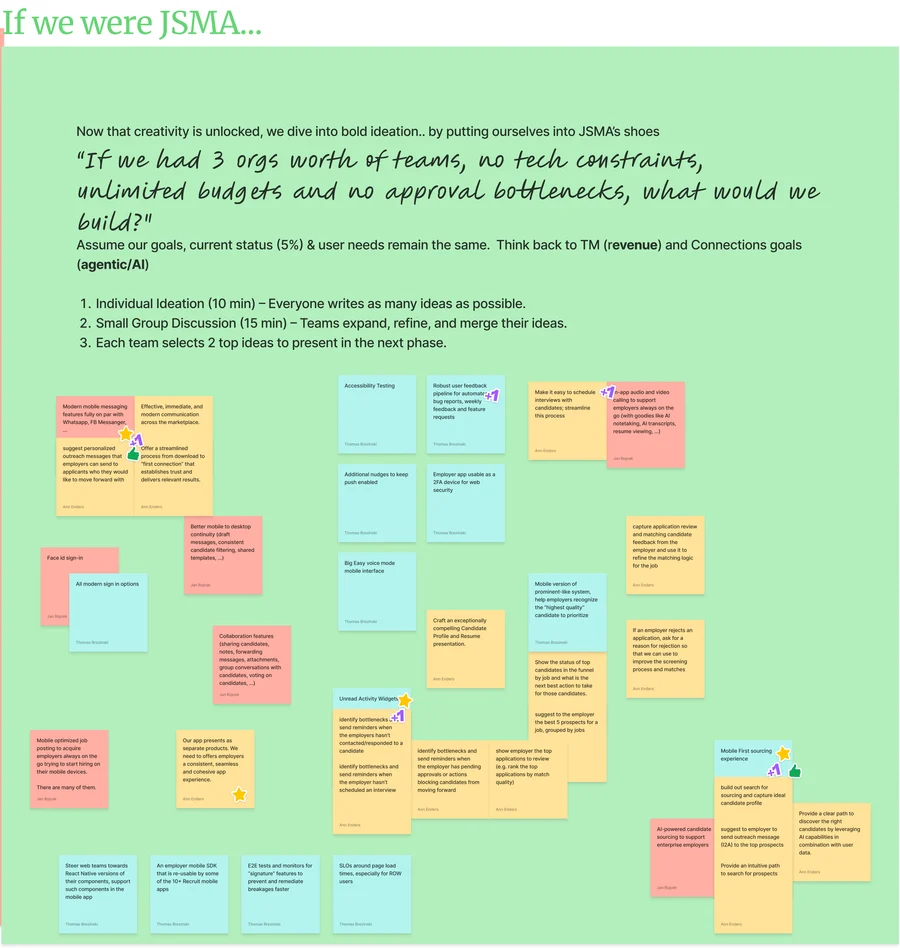
SignalsMessy evidence from many surfaces
  • Vision + whiteboard → app-home ambition
  • Feedback synthesis → repeated employer friction
  • App reviews + churn → trust and usability gaps
  • A11y + localization → inclusive rollout constraints
  • Interview / agenda → time-sensitive mobile moments
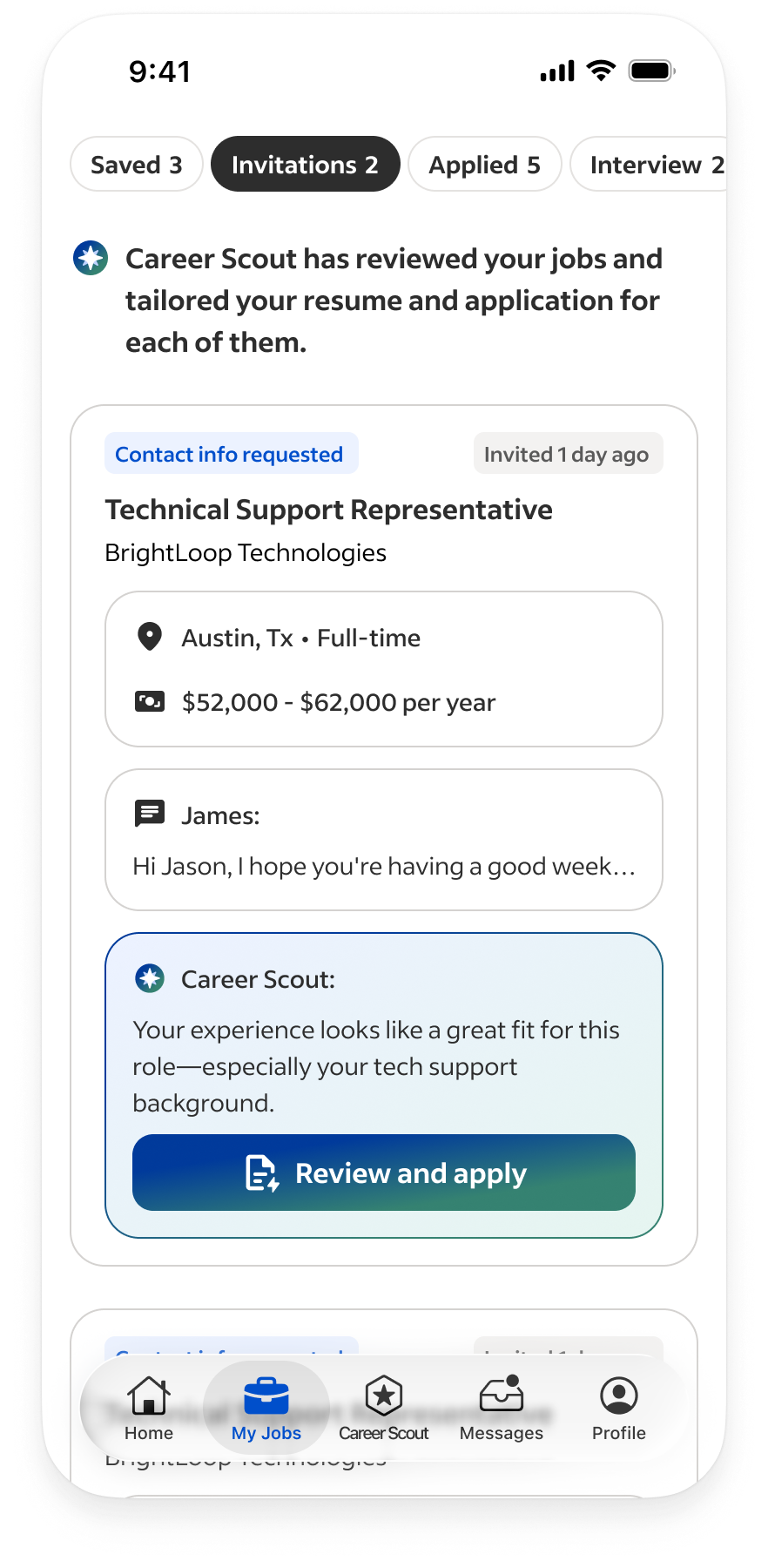
  • Career Scout / AI → assistance boundary questions
SynthesisTurn signals into comparable choices
  • Cluster recurring themes
  • Separate symptom from cause
  • Map confidence and evidence gaps
  • Expose tradeoffs across teams
  • Connect evidence to employer decisions
DecisionsConvert evidence into product calls
  • Prioritize reliability and comprehension fixes
  • Sequence app-home status and next actions
  • Support interview / agenda moments
  • Defer unclear AI bets until boundaries exist
  • Route dependencies to design-system work
Supported outputsWhat the synthesis helped clarify
  • Prioritized: fix confusing mobile moments
  • Sequenced: app home → interviews → assistance
  • Deferred: broad automation without trust model
  • Framed: roadmap discussion around employer decisions
What made it complexDifferent signal typesMobile moment constraintsRegional rollout needsDesign-system dependenciesAI boundary uncertainty
Direction

Mobile employer experience can be discussed as a product-intelligence system: app home explains status, interviews get timely support, inclusive foundations stay explicit, and AI assistance waits for clear employer control.

Signal-to-roadmap synthesis mapThemed reconstruction

Fresh professional evidence / mobile product system

Employer Mobile App / EMA

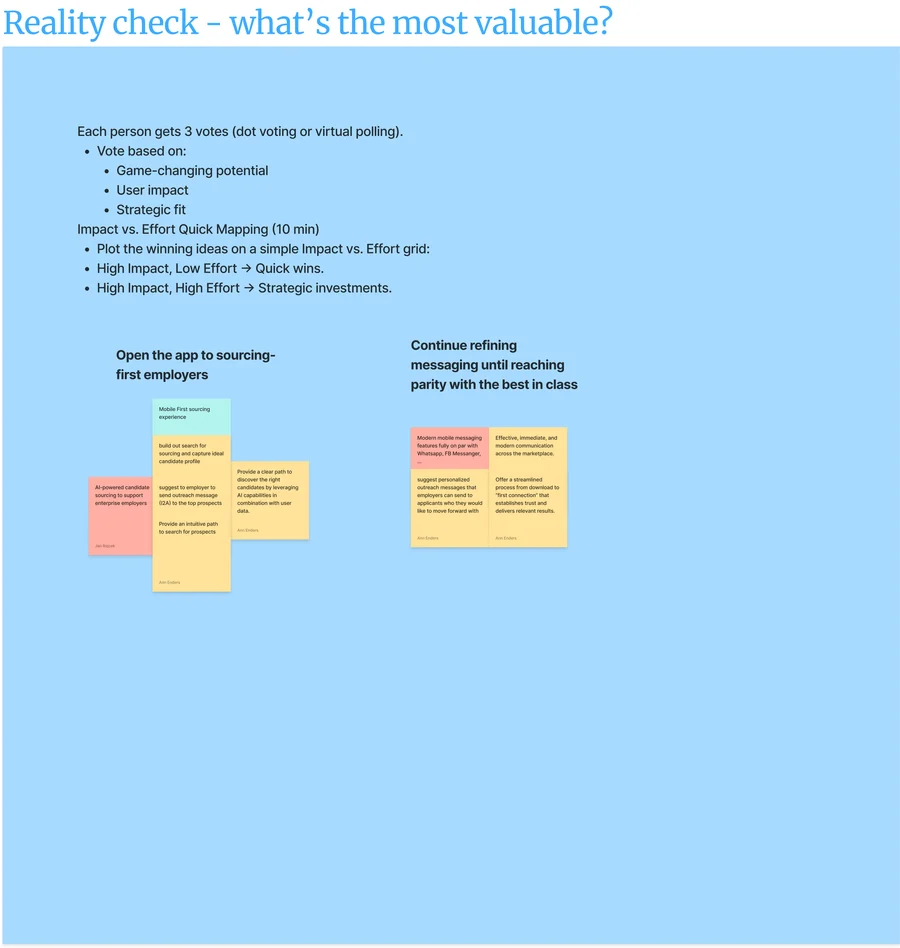
The work was not finding more signals. It was making the signals useful enough to discuss what the mobile app should help employers do.

Signals → synthesis → priorities → decision support

03
Indeed / system evidence
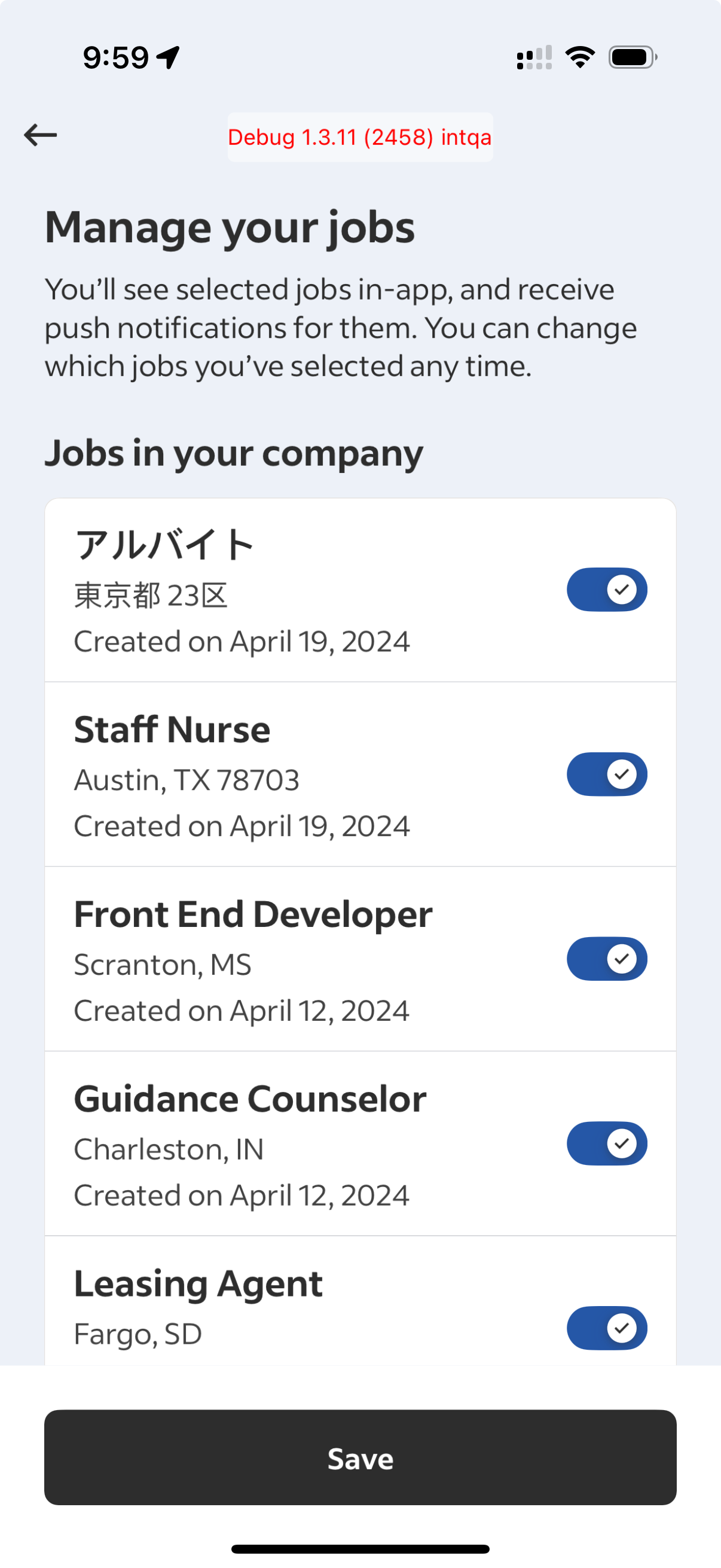
Old burden11 pages / 59 clicksReading, typing, context switches, quality worries, and mobile dropoff before enough momentum existed.
Responsibility sortKeep / remove / defer / prefill / explainEach input earns its place by job quality, confidence, timing, or product support.
New modelOne-page direction + checklist supportMake progress feel lighter while keeping the posting complete enough to trust.
Measurement logicDropoffRead burdenType burdenClicksCompletion behavior
Decision-load reduction mapThemed reconstruction

Product simplification / decision-load reduction

The Flash Funnel

The work was not making a long funnel look shorter. It was deciding which burden the employer should carry, and which burden the product should absorb.

Decision load → responsibility sorting → mobile momentum → behavior signals

What each flagship proves

One belief, three different pressures.

VR

Virtual Recruiter proves automation needs a trust contract: guidance, delegation, explanation, approval, and recovery.

EMA

Employer Mobile App proves evidence only matters when signals become comparable enough to change direction.

FF

Flash Funnel proves simplification is responsibility sorting, not just fewer screens.

Foundation systems

The journey is trustworthy because the pattern is older than AI.

These are not old thumbnails or role summaries. Each foundation card shows the operating model, workflow, governance structure, or capability system that made the later work believable.

EF modular craft + learning products
Apple human capability + service standards
SEEK regional governance + marketplace coordination
Indeed hiring workflows + decision systems
Habitat governed AI operating environment

People capability / service system

Apple Service Capability System

2011–2013

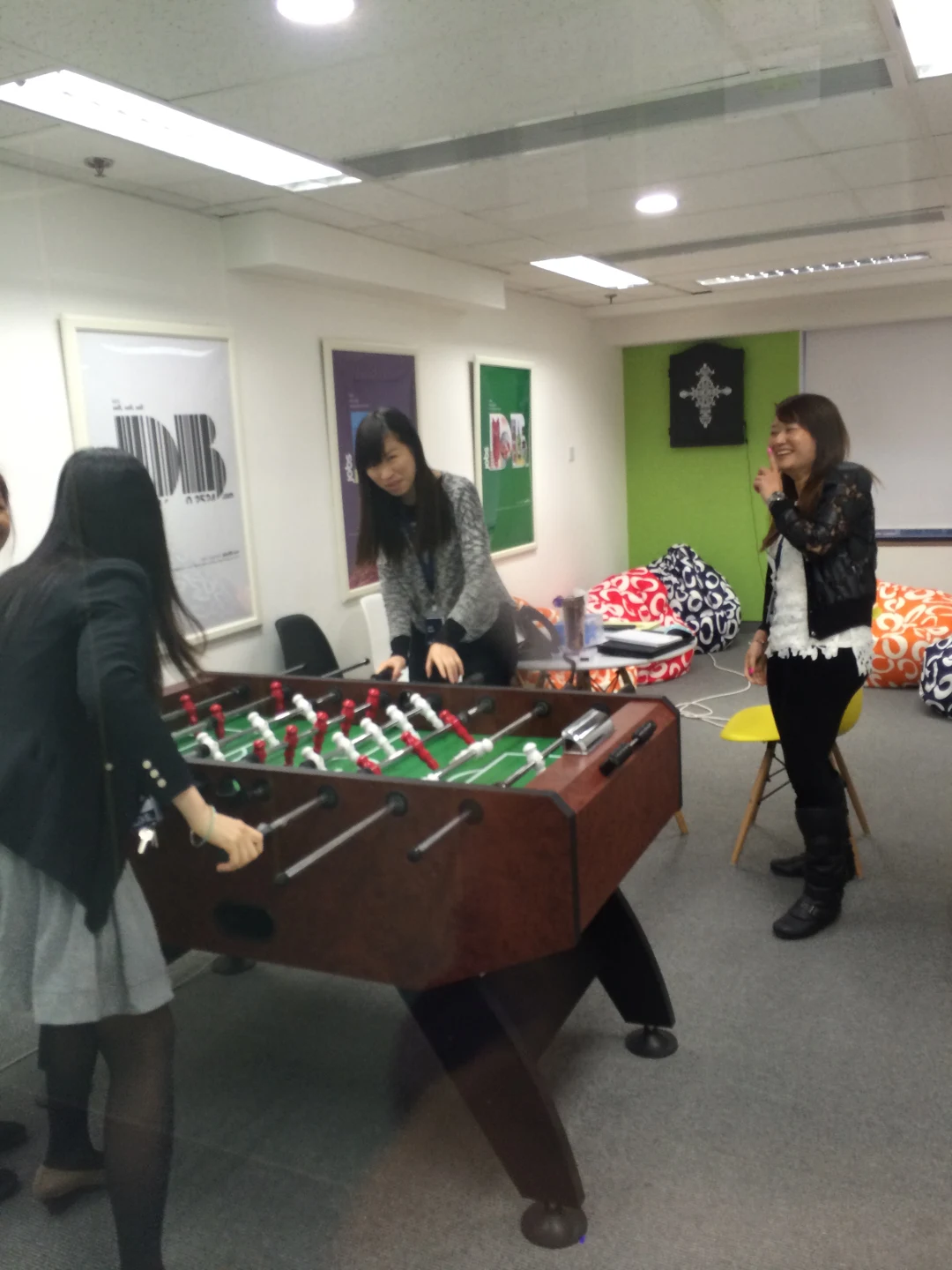
Training, localization, coaching, observation, and service standards worked together around the first Hong Kong Apple Store experience.

System visible: Capability-building + leadership system

  • Operating model
  • Capability system
  • Leadership system
Service capability ladderFoundation model
01Market context
02Service standard
03Practice
04Coach
05Perform
2,000+ employee training contextCupertino + market-leader collaborationLocalization / retail / instructional-design partnership

Experience quality depends on the conditions around people, not only the visible customer interface.

Training becomes design work when it changes how people notice, practice, and deliver the standard.

Belief: Good design leaves people more capable.

Learning-product / platform system

EF Learning Product Architecture

2007–2011

Englishtown work reads as learning architecture: courses, levels, live classes, practice surfaces, progress management, and certification across a global product surface.

System visible: Product architecture + remote execution system

  • Decision system
  • Operating model
  • Learning system
Learning product architecture mapFoundation model
01Learner goal
02Course path
03Practice surface
04Progress signal
05Outcome
Englishtown product archiveLearn → Try → Apply → Certify structure50+ member remote development-team guideline claim

The useful evidence is not the old page design; it is the product structure underneath the learning journey.

Early craft already connected content hierarchy, learner behavior, and distributed execution.

Belief: Product craft becomes durable when screens connect to content, behavior, and operating structure.

Reusable pattern / marketing operations

EF Modular Campaign System

2011–2014 source span

Responsive email and sales-page frameworks gave marketers reusable structures for market-specific content, faster updates, and A/B testing without starting from scratch.

System visible: Modular content + bounded-autonomy system

  • Operating model
  • Governance system
  • Capability system
Modular campaign system modelFoundation model
01Market need
02Content block
03Template
04Test loop
05Regional learning
Email framework guideline source presentResponsive email / sales-page framework claimMarket-specific update and A/B testing workflow

This is early bounded-autonomy evidence: people can move faster when the system defines safe reusable choices.

The framework matters more than the email screenshots.

Belief: Governance should enable motion, not create dependency.

Mobile product / learning workflow

Early Mobile Learning Work

2010–2012

The mobile-site and iPad quiz evidence shows early device-shift thinking tied to practice, feedback, progress, and learning continuity.

System visible: Mobile learning workflow + cross-device product surface

  • Decision system
  • Product system
  • Learning system
Early mobile learning flowFoundation model
01Learner context
02Mobile access
03Practice
04Feedback
05Continuity
Englishtown mobile-site archiveiPad quiz platform archiveiPad English School product references

Mobile was already a workflow question, not just a smaller layout question.

This creates a long bridge from early learning mobile surfaces to later employer mobile strategy.

Belief: Device shifts create decision and behavior problems before they create screen problems.

Internal systems / content operations

Internal CMS / Intranet Tooling

2006–2012

CMS, partner-portal, and intranet work points to a practical foundation in hidden operational layers: tools, content structures, maintenance, and publishing workflows.

System visible: Content-operations + internal workflow system

  • Operating model
  • Workflow system
  • Implementation system
Content operations workflow mapFoundation model
01Editor need
02CMS model
03Workflow
04Publish
05Maintain
MSN Partner Portal archiveSmartone Intranet with CMSJohnson Electric TYPO3 CMS

The operational layer behind the experience has been part of the work from the beginning.

This is the less glamorous root of the current interest in tools, logs, permissions, and recovery paths.

Belief: Useful design often lives in the system that lets others keep the work running.

Regional marketplace systems / 2013–2015

SEEK Regional Marketplace System

2013–2015

SEEK taught Didier that marketplace quality is a coordination problem: employer products, candidate journeys, local-market differences, shared standards, and release quality all have to move together.

System visible: Regional marketplace product system + design governance

  • Decision system
  • Governance system
  • Operating model
  • Marketplace system
What SEEK taught DidierFoundation model
01Employer needs
02Candidate trust
03Market context
04Shared standards
05Delivery rhythm
Employer self-service and advertising productsCandidate flows, job alerts, and company profilesResponsive communications, staging, and release coordination

Regional platforms need coherence without flattening local market reality.

Employer and candidate experiences are connected; changing one side of the marketplace changes trust on the other.

The pattern later reappeared at Indeed and Habitat: set standards, expose signals, coordinate delivery, and keep human judgment visible inside complex systems.

Belief: Systems should create coherence without erasing local market truth.

Design system / regional governance

jobsDB / JobStreet Design Governance

2013–2015

The design-system library and regional review work made reusable decisions visible across distributed teams, engineers, designers, marketing, and market contexts.

System visible: Design governance + implementation partnership

  • Governance system
  • Operating model
  • Reusable pattern system
Design governance stackFoundation model
01Standard
02Library
03Review
04Adaptation
05Handoff
First design-system library claimTaskforce with engineering + UX partnershipRemote regional review / guidelines across 7 regions

A design system becomes valuable when it reduces repeated negotiation across teams and markets.

This is a pre-AI version of governed work: patterns, rules, exceptions, and local context.

Belief: Reusable decisions create consistency more reliably than repeated persuasion.

Leadership / capability system

Indeed University UX Integration

2019

UX moved from late support into product-learning infrastructure: advisor roles, facilitation guides, critique rituals, and mentoring loops that made better framing repeatable.

System visible: Operating model + capability-building system

  • Decision system
  • Operating model
  • Capability system
  • Leadership system
Capability flywheelFoundation model
01Frame earlier
02Facilitate learning
03Practice critique
04Mentor others
05Raise quality
UX advisor role modelFacilitator operating guideMentoring / influence loop

The legacy pattern continues at Indeed: design leadership scales by making the method teachable.

This is the bridge from foundation systems into flagship product-system work.

Belief: Design leadership scales when the method becomes teachable, not when one designer stays indispensable.

Labs sit next to the work

AI is visible because I am actively testing it.

Habitat, KIREI, and JAVIS show where I am taking the work next. They do not replace the professional evidence above.

AI operations lab

Habitat / Local-first AI Agent Environment

A local-first AI environment where agents can help, but only inside visible boundaries: memory, tools, approvals, logs, reflections, and recovery paths.

Local-first AI → safety governor → continuity system

Active product exploration

KIREI

An evidence-based product intelligence exploration for JP/Asia product transparency: ingredient context, source confidence, and personal fit rather than a blunt safe/unsafe score.

Product evidence → context → personal-fit decisions

Active product exploration

JAVIS / Job Intelligence

A job-intelligence and career-decision-support exploration connecting hiring-platform experience with role discovery, application strategy, and market signal monitoring.

Hiring expertise → job intelligence → career decisions

Craft texture / proof of range

Craft remains visible as foundation, not destination.

The older visuals give career texture without pretending screenshots should carry the whole story now.

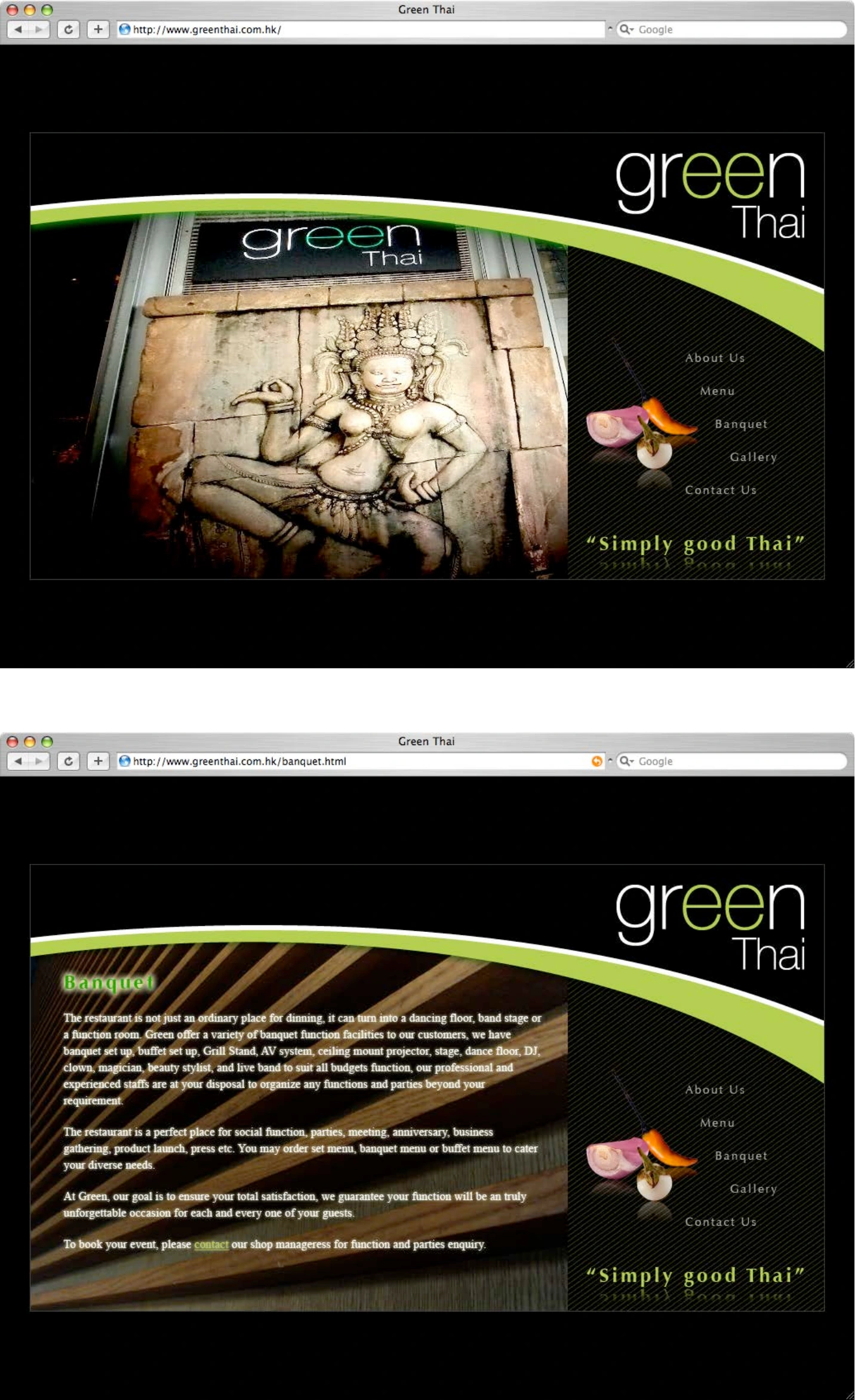
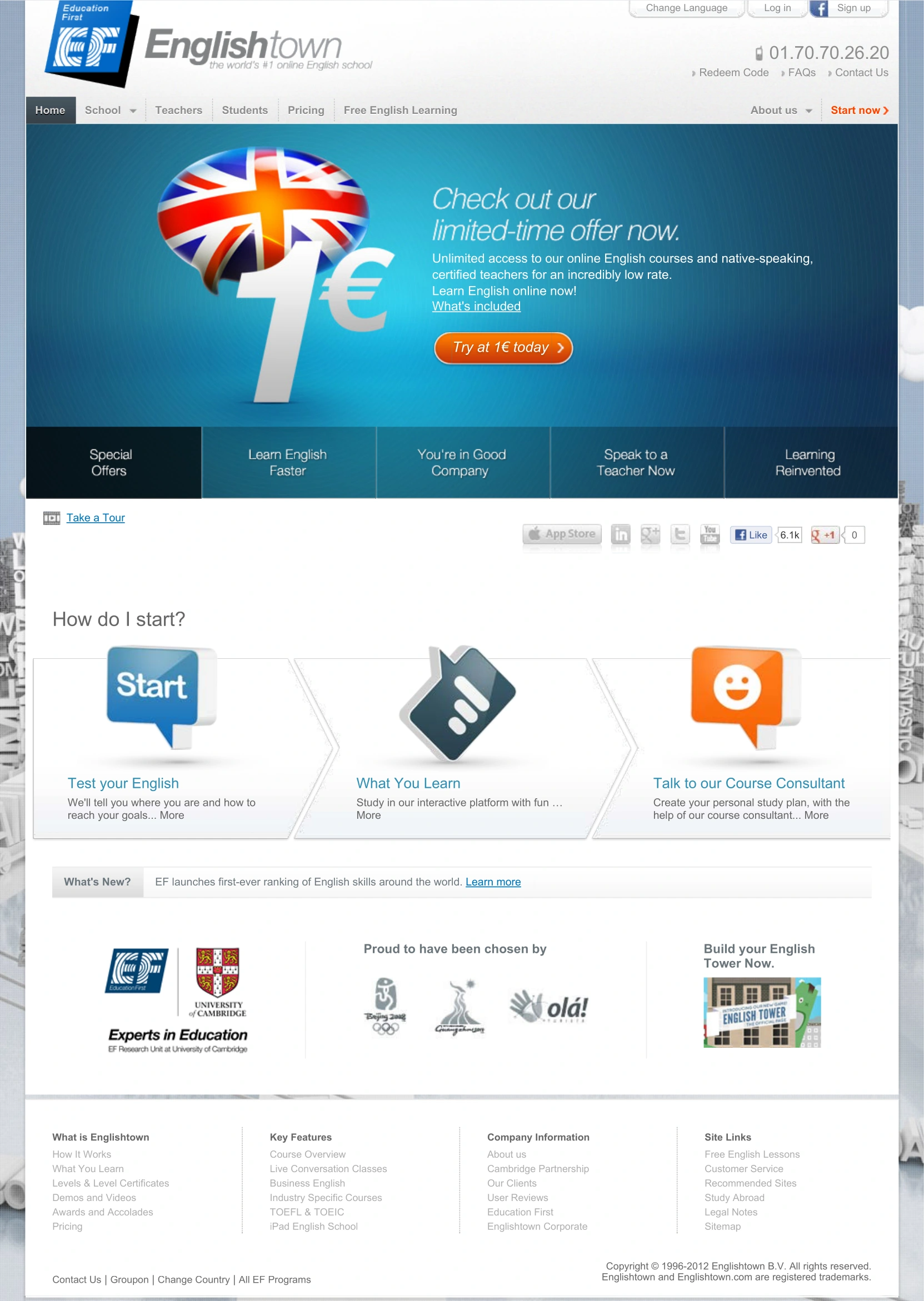
Englishtown web experience

Early product craft

EF / Englishtown learning products

Digital learning experiences across web, mobile, and learner-facing product surfaces.

Demonstrates: Hands-on UX/product craft before the leadership arc.

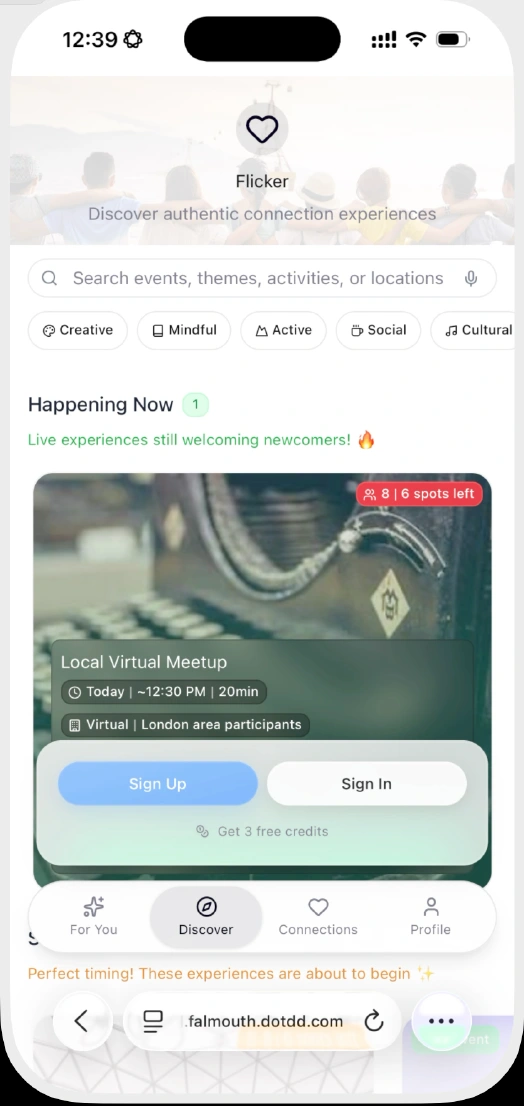
iPad quiz platform

Early product craft

Mobile + iPad learning experiences

Mobile learning flows and iPad quiz/product interactions from the earlier product-design archive.

Demonstrates: Interaction design, educational UX, and platform adaptation.

Smartone intranet with CMS

Systems and operations

CMS, intranet, and internal workflow tools

Internal systems and content/workflow tools that connect product craft to operational design.

Demonstrates: Systems thinking, information architecture, and utility-product design.

Email marketing system

Systems and operations

Email marketing and lifecycle systems

Marketing and lifecycle communication work treated as product-system evidence rather than visual portfolio centerpieces.

Demonstrates: Audience journeys, conversion mechanics, and communication systems.

Compressed career arc

The AI chapter is credible because the pattern is older than AI.

Early career signal

Apple

High standards, service design, localization, training contexts.

Where the service and training standards came from: quality, localization, and human capability under real-world constraints.

Hands-on product craft

EF / Englishtown

Digital learning products, mobile/iPad experiences, CMS, and visual systems.

Early hands-on craft, shown as archive context rather than the main story.

Regional product/platform complexity

SEEK Asia

Regional marketplace product/design systems, cross-market product delivery, and design governance.

Early systems work across jobsDB / JobStreet hiring-marketplace surfaces: employer tools, candidate flows, responsive communications, company-profile experiences, staging/release coordination, and product delivery alignment across regional contexts.

Senior design leadership

Indeed

Hiring workflows, product strategy, mentoring, facilitation, and design maturity.

The main source of flagship cases: hiring workflows, product strategy, mentoring, facilitation, research synthesis, and design maturity.

Current direction

Habitat / KIREI / JAVIS / AI-native systems

Personal AI environment, human-centered automation, product intelligence, job intelligence.

Shows what I am testing now, without pretending active explorations are validated products.